Omega-3 Supplements & Dry Eye — What the Evidence Actually Says
Omega-3 supplements are widely recommended for dry eye. The evidence behind them is real — but more nuanced than the marketing suggests.
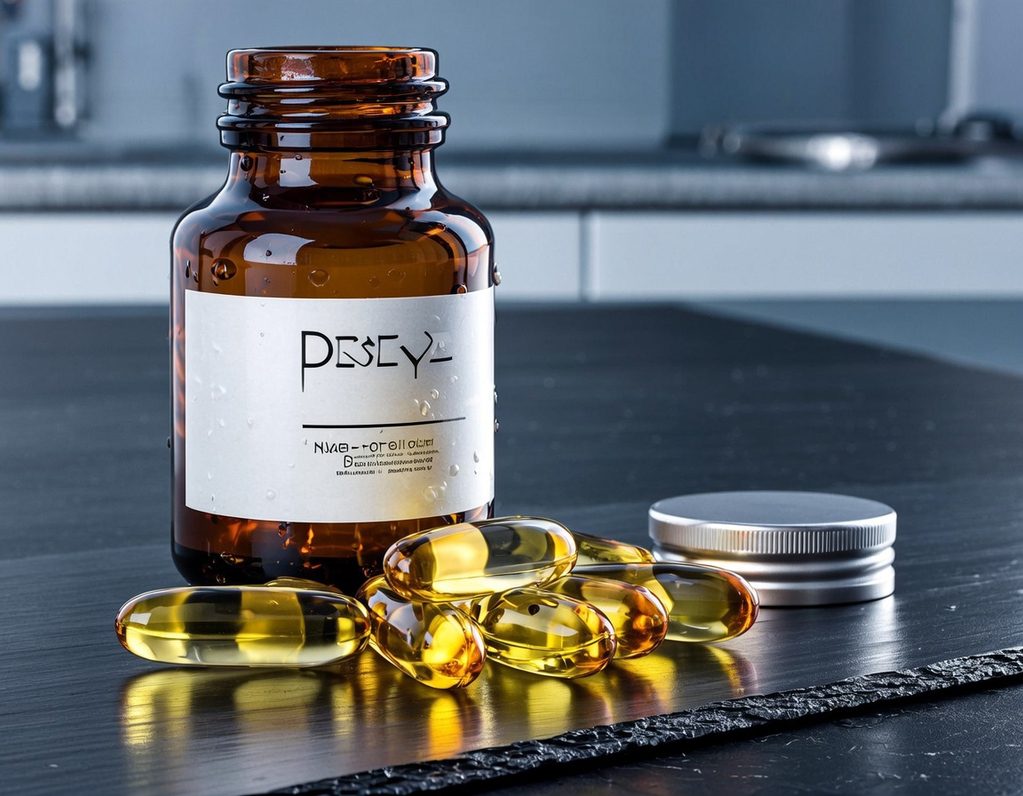
The evidence base
Omega-3 fatty acids — specifically EPA and DHA — have well-documented anti-inflammatory properties and a plausible mechanism of action in dry eye disease. They influence the fatty acid composition of meibomian gland secretions, have anti-inflammatory effects relevant to lid margin disease, and support goblet cell function.
The clinical evidence is broadly positive but not uniformly so. Multiple studies have shown improvements in meibomian gland function, tear film stability, and symptom scores following omega-3 supplementation. A large randomised controlled trial — the DREAM study — produced more equivocal results, though methodological aspects of that study have been debated in the literature.
Our honest summary: omega-3 supplementation is a reasonable, evidence-supported adjunct to dry eye management for most patients with MGD-driven disease. It is not a standalone treatment for significant dry eye, but it supports other interventions and has a very favourable safety profile.
What to look for in a supplement
EPA and DHA content The active components are EPA and DHA — the long-chain omega-3 fatty acids. Check the label for the specific EPA and DHA content per dose, not just the total fish oil content. A capsule containing 1000mg of fish oil may contain very little EPA and DHA depending on the concentration.
Re-esterified triglyceride form Omega-3 supplements are available in different chemical forms. Re-esterified triglyceride formulations have higher bioavailability than ethyl ester forms — meaning more of the active components are absorbed. This matters for therapeutic effect.
Purity and quality Look for supplements that have been independently tested for heavy metals and contaminants — particularly relevant for fish oil products. Reputable manufacturers provide certificates of analysis.
Enteric coating Enteric-coated capsules reduce the fishy aftertaste and reflux that some patients find problematic with standard fish oil capsules.
Plant-based alternatives
Alpha-linolenic acid (ALA) — found in flaxseed, chia, and walnuts — is an omega-3 precursor. The body converts ALA to EPA and DHA, but conversion efficiency is low. Plant-based omega-3 sources are not equivalent to fish oil for therapeutic purposes.
Algae-derived omega-3 supplements provide EPA and DHA directly — bypassing the conversion issue — and are a suitable alternative for vegetarian and vegan patients.
Dosage
Therapeutic doses used in dry eye research typically range from 1.5 to 3g of combined EPA and DHA per day. This is higher than many standard supplement products provide — check the label to confirm the dose you're actually taking.
We'll advise on appropriate dosing at your assessment based on your presentation and dietary intake.
How long to see results
Omega-3 supplementation is not a rapid intervention. Benefits typically develop over three to six months of consistent daily use. Patients who try omega-3 for two to three weeks and conclude it isn't working haven't given it sufficient time.