Dry Eye & Pregnancy — How Pregnancy Affects Your Eyes
Pregnancy changes almost everything about how your body works. Your eyes are no exception.
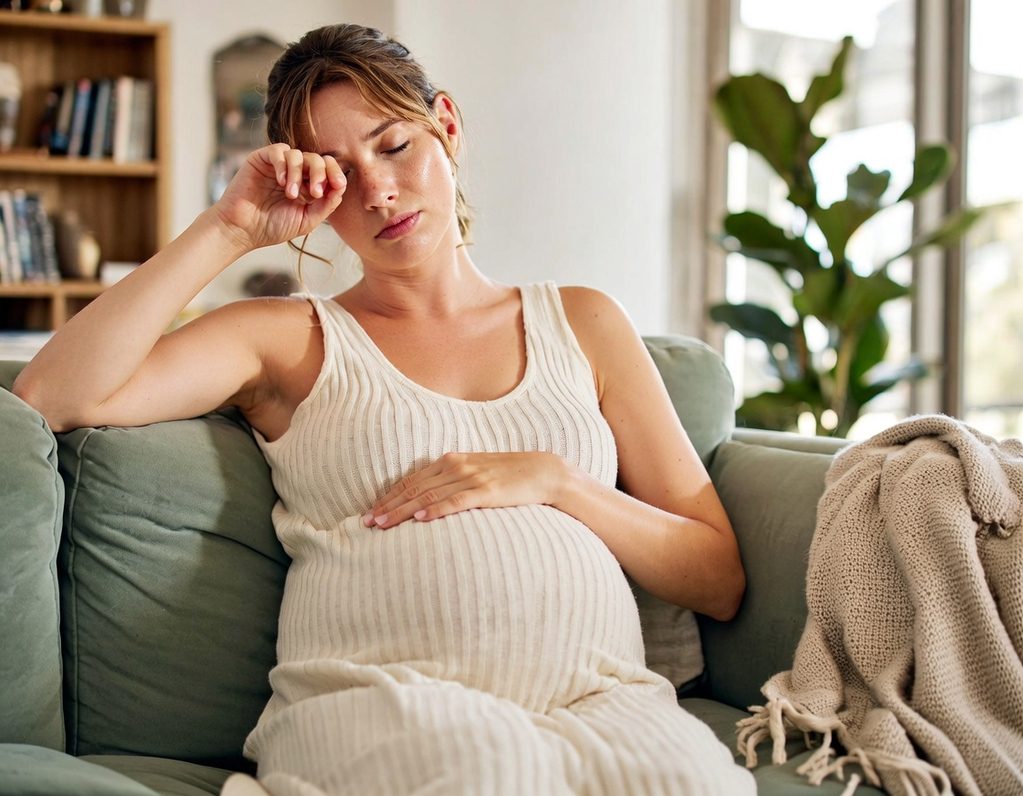
Dry eye symptoms are common during pregnancy — and in the postpartum period — as a result of the significant hormonal changes that accompany having a baby. For most women they're temporary, but they can be uncomfortable and disruptive while they last.
Why pregnancy affects the tear film
The dramatic hormonal shifts of pregnancy — rising oestrogen and progesterone, changes in androgen levels, and the subsequent postpartum hormonal withdrawal — affect the lacrimal gland, meibomian glands, and conjunctival goblet cells in ways that can destabilise the tear film.
Increased tear film instability Many pregnant women notice their tear film becomes less stable, with more rapid evaporation and increased symptom burden — particularly in the second and third trimesters when hormonal changes are most pronounced.
Contact lens intolerance Contact lens discomfort is extremely common in pregnancy. Changes in corneal curvature, tear film composition, and ocular surface sensitivity can make previously comfortable lenses unwearable. Most women find this resolves after delivery and the hormonal environment normalises — but it can persist through breastfeeding, which maintains an elevated prolactin environment.
Postpartum dry eye The hormonal withdrawal after delivery — particularly for women who are not breastfeeding — can trigger or worsen dry eye symptoms. Sleep deprivation, which is essentially universal in the newborn period, adds a further burden on ocular surface health.
Managing dry eye during pregnancy
Safe treatments during pregnancy Treatment options during pregnancy require careful consideration. Many medications and treatments that are appropriate in other circumstances require specific assessment of safety during pregnancy.
Preservative-free lubricating drops are generally considered safe during pregnancy and are the first-line management for symptomatic dry eye. We would advise discussing any eye drop use with your midwife or GP.
Warm compresses and gentle lid hygiene are safe and appropriate during pregnancy and can be helpful for managing MGD-related symptoms.
For in-clinic treatments during pregnancy, please contact us to discuss — we'll advise on what is appropriate for your specific situation and stage of pregnancy.
Contact lenses If lenses have become uncomfortable during pregnancy, switching to glasses for the duration is the simplest and safest approach. Forcing uncomfortable lens wear during pregnancy risks corneal complications on an already vulnerable ocular surface.
Will it resolve after delivery?
For most women, pregnancy-related dry eye improves significantly after delivery and hormonal normalisation — though this may take several months, particularly in breastfeeding women. For women with pre-existing dry eye or MGD, pregnancy may unmask or worsen an underlying condition that then persists beyond the postpartum period and warrants proper assessment and treatment.
If your dry eye symptoms have persisted significantly beyond the early postpartum period, a specialist assessment is worthwhile.