Eye Makeup & Dry Eye — What to Use, What to Avoid, and How to Protect Your Eyes
Eye makeup and dry eye don't always mix well. But with the right choices and habits, most people with dry eye can continue wearing makeup comfortably.
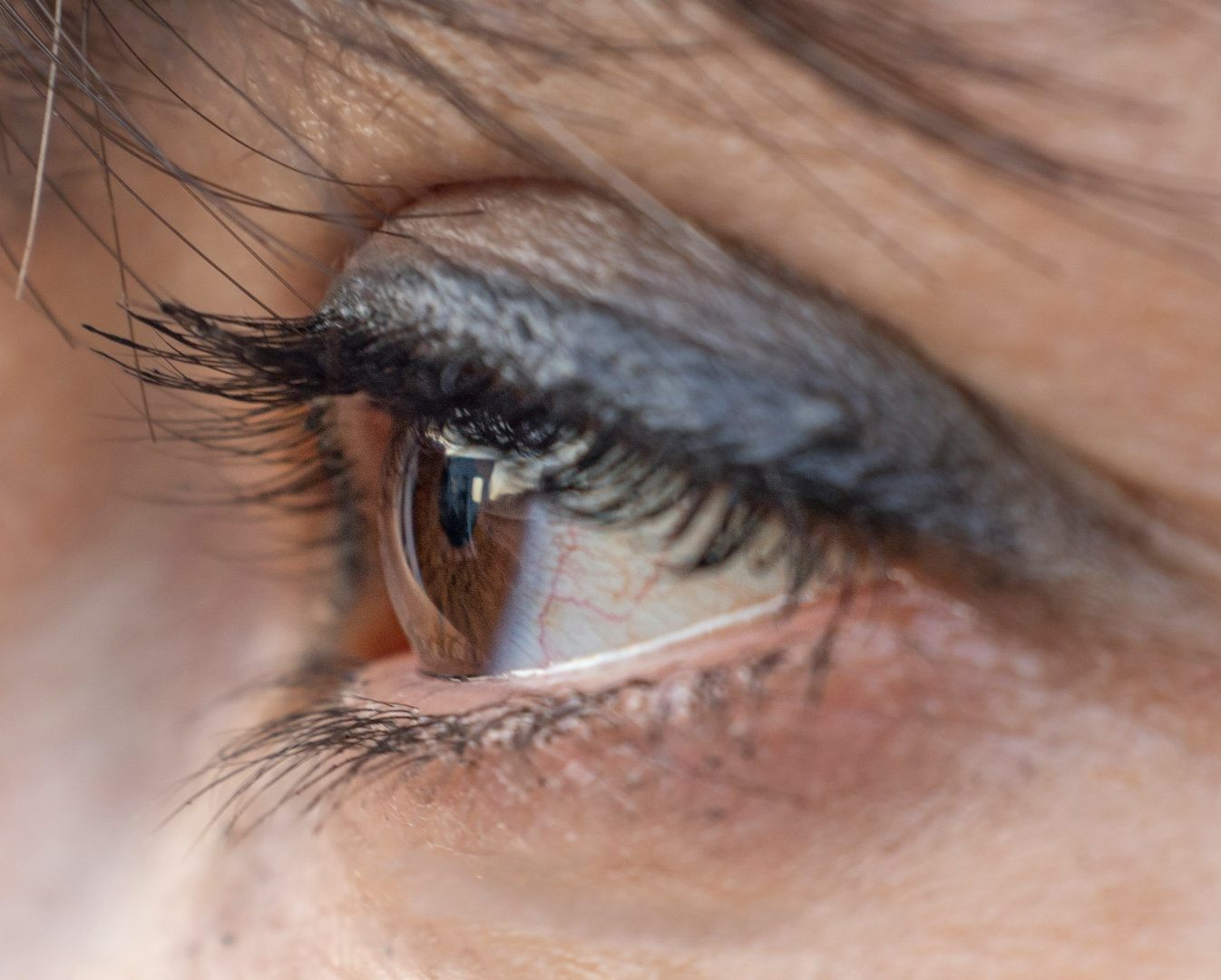
Why eye makeup affects dry eye
The eyelid margin is a precision environment. The meibomian glands open onto the lid margin, the tear film forms here with each blink, and the delicate balance of oils, water, and mucin that keeps the eye comfortable is maintained by structures in and around the lid margin.
Makeup applied to or near the lid margin can disrupt all of this — blocking gland openings, introducing irritants and preservatives, promoting bacterial growth, and physically altering the tear film composition.
The biggest culprits
Eyeliner applied to the waterline Applying eyeliner to the inner margin of the lid — the waterline — directly deposits pigment, wax, and preservatives onto or adjacent to the meibomian gland openings. Studies have demonstrated that waterline eyeliner migrates into the tear film within minutes of application, contaminating the lipid layer and destabilising the tear film. For patients with MGD this is particularly problematic — the gland openings are already compromised, and adding physical blockage and chemical contamination worsens function further.
This is the single most impactful makeup habit change for dry eye patients. Moving eyeliner to above the lash line rather than the waterline makes a meaningful difference.
Mascara Mascara applied heavily to the base of the lashes can migrate towards the lid margin and meibomian gland openings, particularly as it breaks down through the day. Flaking mascara — from older products or formulations not suited to sensitive eyes — introduces particulate matter into the tear film.
Eyeshadow Powder eyeshadow applied close to the lash line can migrate into the tear film, introducing particles and preservatives that irritate the ocular surface.
Eye makeup remover Incomplete removal of eye makeup leaves residual product on the lid margin overnight — contributing to gland blockage and bacterial biofilm formation. Oil-based removers, while effective at removing makeup, can leave a residue on the lid margin that disrupts the tear film if not thoroughly cleaned.
Ingredients to be cautious about
- Preservatives — particularly benzalkonium chloride (BAK), found in some eye drops and cosmetic products, are toxic to the ocular surface epithelium. Check ingredient lists where possible
- Fragrances — a common irritant in eye area products
- Formaldehyde-releasing preservatives — found in some mascaras and liners as antimicrobials
- Glitter and shimmer particles — particularly problematic, as loose particles can directly scratch the corneal surface
Practical guidance
Replace makeup regularly Mascara should be replaced every three months. Eye makeup is a reservoir for bacteria — older products have higher bacterial loads and are more likely to cause lid margin irritation and infection.
Never share eye makeup Sharing eye makeup transfers bacteria and potentially pathogens between users.
Remove makeup thoroughly every evening Leaving eye makeup on overnight is one of the most damaging habits for lid margin health. Use a gentle, fragrance-free micellar water or dedicated eye makeup remover, followed by your normal lid hygiene routine.
Choose ophthalmologically tested products Look for products labelled ophthalmologically tested or suitable for sensitive eyes and contact lens wearers. These have been assessed for ocular surface compatibility.
Consider makeup-free days Giving your lid margins regular days without makeup — particularly during and immediately after in-clinic treatments — allows the glands to function without obstruction and helps your treatment work more effectively.
Avoid waterline eyeliner This is the most impactful single change. Move liner above the lash line and keep it there.
During treatment
We may ask you to avoid eye makeup on treatment days and for a short period following certain treatments. We'll advise you specifically at your appointment. As a general principle, the cleaner the lid margin environment during a course of treatment, the better the outcomes.
Find out more about our treatments → Find out more about MGD →