LLLT for Dry Eye — Low Level Light Therapy in West Yorkshire
Gentle, non-invasive dry eye treatment that works while you relax
Low Level Light Therapy — LLLT — is one of the most comfortable treatments in dry eye care. No needles, no pressure, no downtime. You sit back, a mask of therapeutic light is placed over your eyes, and the treatment does its work in around 12-17 minutes.
It sounds simple. The science behind it isn't.
We offer combined red and blue LLLT at our specialist dry eye clinic in Cleckheaton, West Yorkshire.
What is LLLT?
LLLT works through a process called photobiomodulation
LLLT uses specific wavelengths of low-level light to stimulate the tissues around the eyes. Unlike IPL, which works primarily through heat and targeting abnormal blood vessels, LLLT works through a process called photobiomodulation — light energy absorbed by cells triggers a biological response that reduces inflammation, supports gland function, and promotes healing.
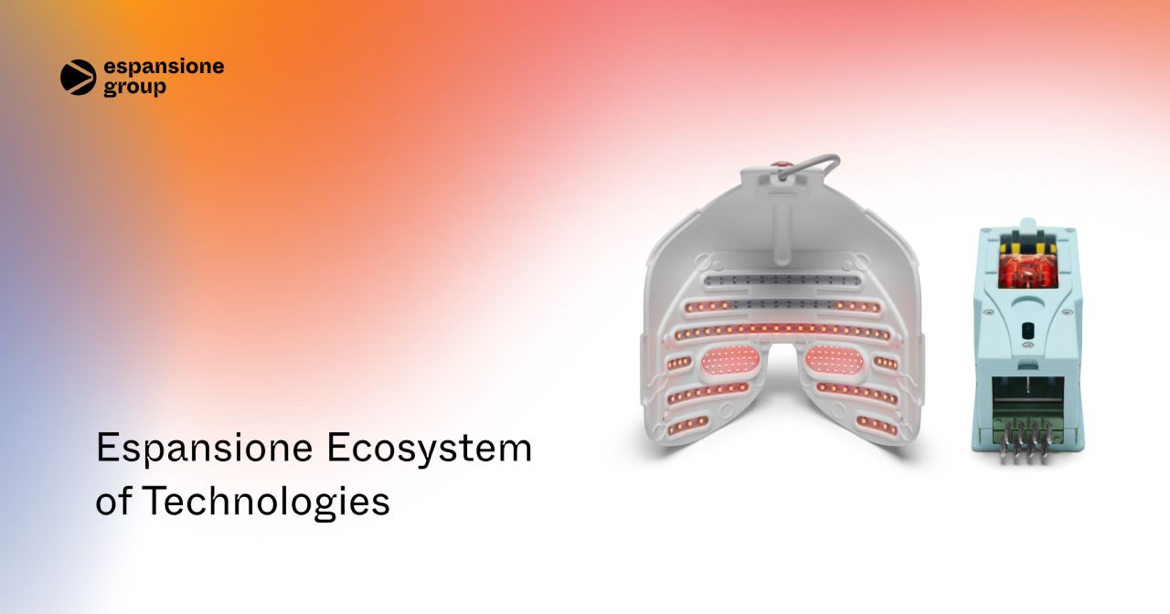
At our clinic we use both red and blue wavelengths, delivered simultaneously through a purpose-built mask worn over the closed eyes.
Red light penetrates deeper into the tissue. It warms the meibomian glands gently, improves gland secretion, and has well-documented anti-inflammatory effects.
Blue light works closer to the surface. It has antimicrobial properties, making it particularly useful where bacterial load or Demodex mite populations are contributing to lid disease.
Together, they address multiple layers of dry eye pathology in a single session.
Who is LLLT for?
LLLT is suitable for a wide range of patients, including those who may not be candidates for IPL:
- Evaporative dry eye and MGD
- Blepharitis, including Demodex-associated blepharitis
- Ocular rosacea
- Aqueous deficient dry eye
- Post-surgical dry eye (including post-LASIK)
- Patients on medications that affect tear production
- Darker skin tones where IPL is contraindicated
- Patients who want a very gentle, non-contact treatment option
LLLT can be used as a standalone treatment or combined with IPL for patients where both wavelengths and the photothermal effects of IPL are indicated. This combined approach is something our lead clinician has personal experience of — having undergone both treatments himself.
What does the evidence say?
The evidence base for LLLT in dry eye is growing steadily. Studies including work by Giannaccare et al. and Antwi et al. have demonstrated improvements in meibomian gland function, tear film parameters, and symptom scores following LLLT treatment.
The anti-inflammatory mechanism is well-supported in the broader photobiomodulation literature. The antimicrobial effects of blue light on the lid margin are also documented, making combined red/blue LLLT a logical choice for patients with a bacterial or Demodex component to their dry eye.
We'll be straightforward with you: the evidence for LLLT is promising and growing, though the overall volume of dry eye-specific studies is currently smaller than for IPL. We discuss this honestly with every patient so you can make an informed decision.
What happens during a session?
LLLT is probably the most relaxed treatment we offer.
Before treatment As with all our dry eye treatments, you'll have a full assessment first — including meibomian gland imaging, tear film analysis, and symptom review. This ensures we're recommending the right treatment for your specific presentation.
During treatment You sit comfortably in the treatment chair. A lightweight therapeutic mask is placed over your closed eyes, delivering red and blue wavelengths simultaneously. There's no discomfort — most patients find it pleasantly warm and relaxing. Each session takes around 15 minutes.
Where indicated, we follow LLLT with meibomian gland expression to clear the glands while they're warm and responsive.
After treatment No downtime. You can drive, return to work, and carry on with your day immediately after the session.
How many sessions will I need?
A standard course is typically four sessions, spaced one to two weeks apart. Some patients notice a difference after the first couple of sessions; for others the benefit builds more gradually across the course.
After completing your initial course, maintenance sessions every few months help sustain the results — particularly for patients with ongoing lid disease or rosacea. We'll advise you based on how you respond.
LLLT at our clinic
Our lead clinician Steve Dando has personal experience of combined IPL and LLLT treatment — he's not recommending something he hasn't tried himself. That matters when it comes to explaining what to expect and having an honest conversation about outcomes.
Every LLLT patient receives:
- A comprehensive dry eye assessment before treatment
- Meibomian gland imaging to establish a baseline
- Combined red and blue LLLT as standard
- Meibomian gland expression where clinically indicated
- A personalised follow-up plan
- Clear, honest guidance on what the evidence does and doesn't show
Frequently asked questions
Does LLLT hurt? Not at all. It's one of the most comfortable treatments we offer. Most patients find it genuinely relaxing.
How is LLLT different from IPL? IPL uses intense pulses of broad-spectrum light and works primarily through heat and targeting abnormal blood vessels. LLLT uses low-level continuous light at specific wavelengths and works through photobiomodulation — stimulating a biological response in the tissue rather than a thermal one. They work differently and complement each other well in patients who benefit from both.
Can I have both IPL and LLLT? Yes. For some patients a combined approach produces better outcomes than either treatment alone. We'll discuss this at your assessment.
Is it suitable if I have a darker skin tone? Yes. Unlike IPL, LLLT has no contraindication based on skin tone and is suitable for all Fitzpatrick types.
How quickly will I notice results? Some patients notice improvement within the first few sessions. Others see the clearest benefit after completing the full course. We'll monitor your progress at each visit.
Ready to explore whether LLLT is right for you?
Book a dry eye assessment and we'll take a thorough look at what's driving your symptoms, explain your options clearly, and only recommend treatment we genuinely believe will help.